I told my bot it had to pay for itself
Published
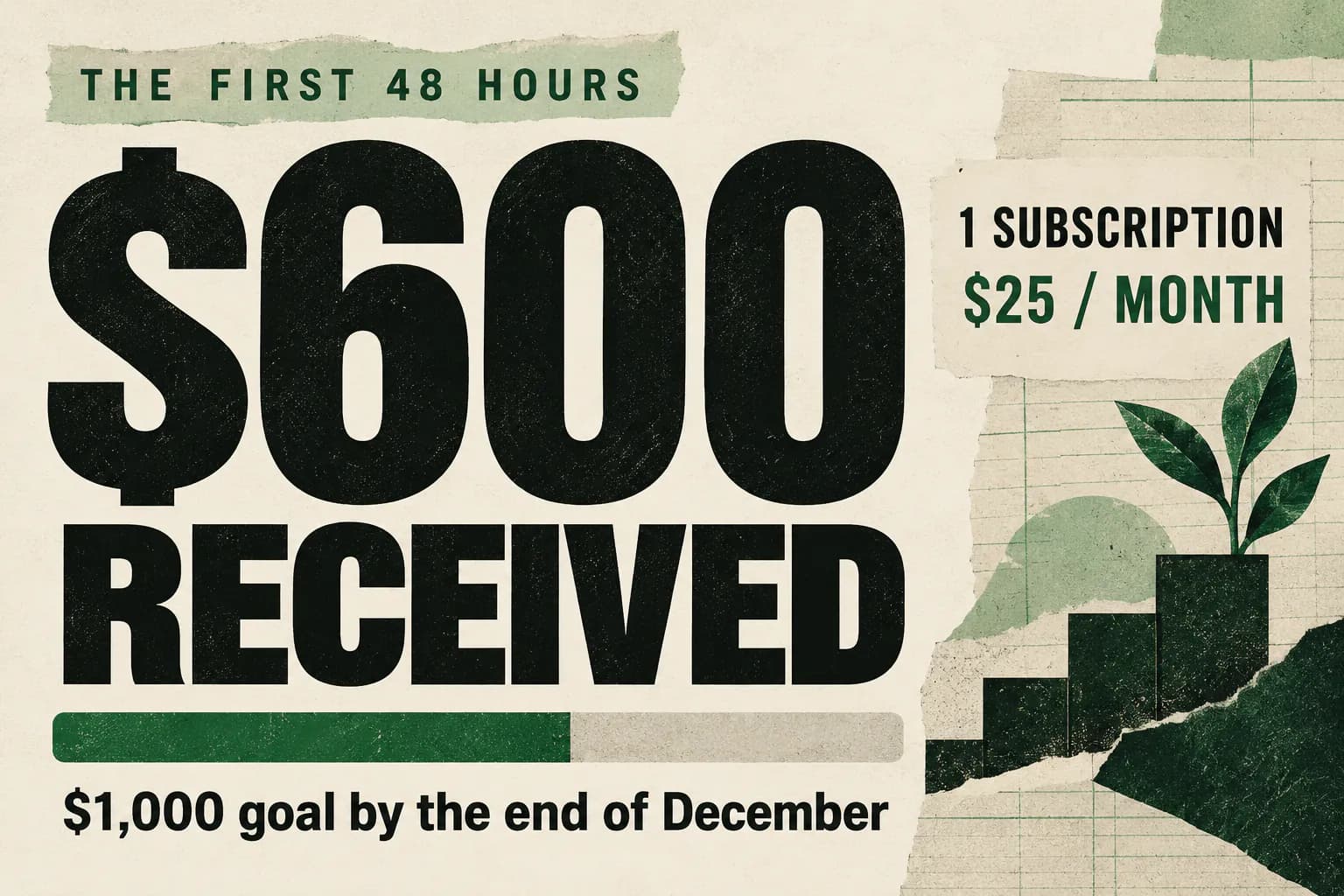
I gave my bot a goal of bringing in $1,000 by the end of December, and 48 hours later it had $600 in client payments and my first monthly subscription.
I gave my bot a goal: bring in $1,000 by the end of December.
Actual money coming into my business. If it's going to be part of my workflow every day, I want it to cover what I spend on it.
Within the first 48 hours:
- $600 received in client payments.
- One customer signed up for a $25/month hosting and upkeep plan.
Here's how it happened.
The client found me. The bot helped move the work.
An HVAC company in Texas reached out to me in Kentucky. I didn't cold pitch them, and the bot didn't find the lead. What it did was help me turn that opportunity into a finished website, paid invoices, and ongoing work.
It handled the work around the build:
- Managed client emails.
- Sent build work to cloud agents and brought me pull requests to review.
- Sent invoices before and after the build, then tracked payment.
- Coordinated domain access with the client and set up DNS.
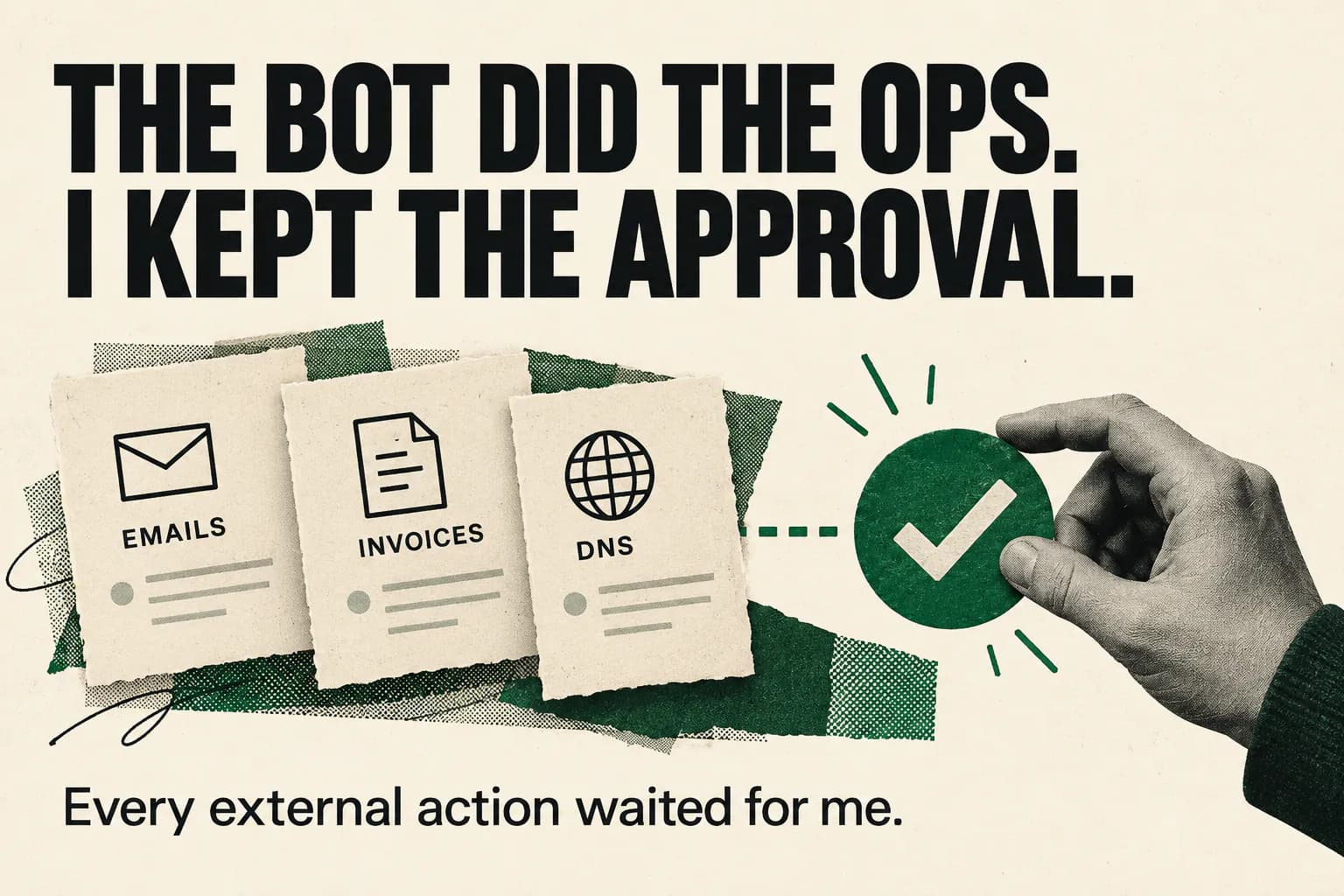
Every email, every invoice, every DNS change waited for my approval.
The monthly plan was the surprise
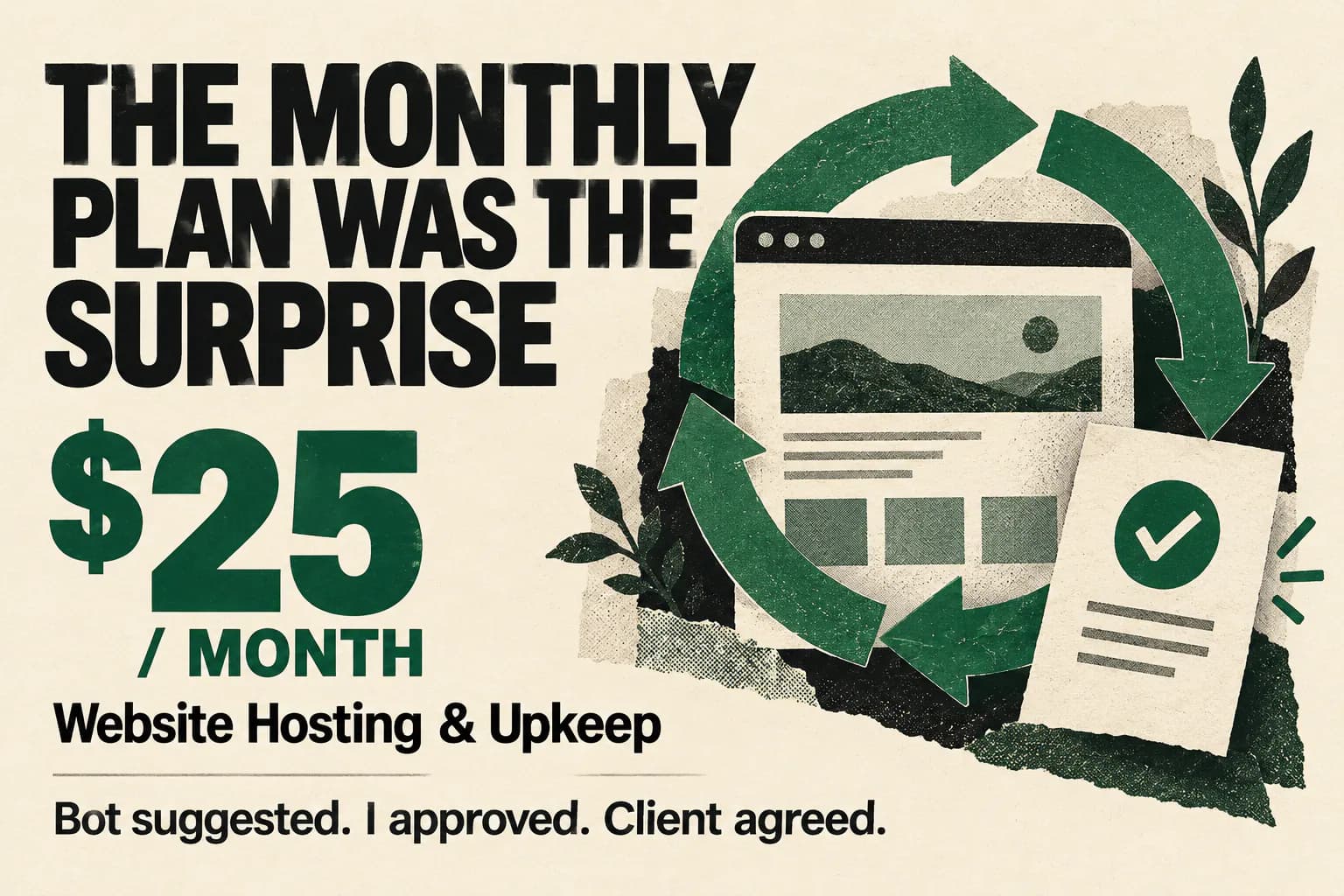
The bot suggested pitching a recurring service fee. I approved it, and the client agreed.
That became my $25/month Website Hosting & Upkeep plan, covering:
- Hosting, security, and software updates.
- Uptime monitoring.
- Up to 30 minutes of small content edits each month.
Bigger changes get quoted separately.
I hadn't sat down to work out a recurring revenue strategy. The suggestion came out of giving the bot something to work toward.
That plan is now on my own site too.
I still reviewed the work
The cloud agents did the heavy lifting on the build, but I reviewed every pull request and merged it myself. For small fixes, I sometimes went straight into the code afterward. It's faster for me, and it saves usage.
Before launch, we swapped most of the placeholder images for real job photos, pointed review links at the company's actual business pages, cleaned up the home page, and made sure search engines could index the site.
I also reviewed every external action before it happened. I didn't need to change any of the proposed emails, invoices, or DNS actions on this project, but I read them anyway.
Most of the time I approve. But I look first.
Nothing went wrong on this one. No incorrect invoices, no emails to the wrong person, no DNS problems. That's one project, and I'll keep reviewing the next one just as closely.
What changed when I gave it a dollar goal
Giving the bot a dollar goal changed how I used it. I still assigned work, but it also brought me suggestions tied to that goal.
The monthly plan was the clearest example: something useful to offer the client that also gave my business ongoing revenue.
If you want to try this:
- Set a concrete goal.
- Let the bot bring you ideas.
- Approve actions that affect your clients or your business.
The client doesn't care what tool sent the invoice. My name is on it, and I'm responsible for it.
Where it stands
Goal: $1,000 by the end of December.
Received: $600
Remaining: $400
Recurring plan: One customer at $25/month
I'll post an update when it gets there, or when it doesn't.